Beaumont, CA • Sewer Drain Cleaning
Sewer Drain Cleaning in Beaumont, CA
The sewer drain carries every drain in the house to the street. When it clogs, water backs up through more than one fixture at once. We clean sewer drains across Beaumont and find where the blockage sits.
24/7 emergency line • Local Beaumont coverage • Clear diagnosis first
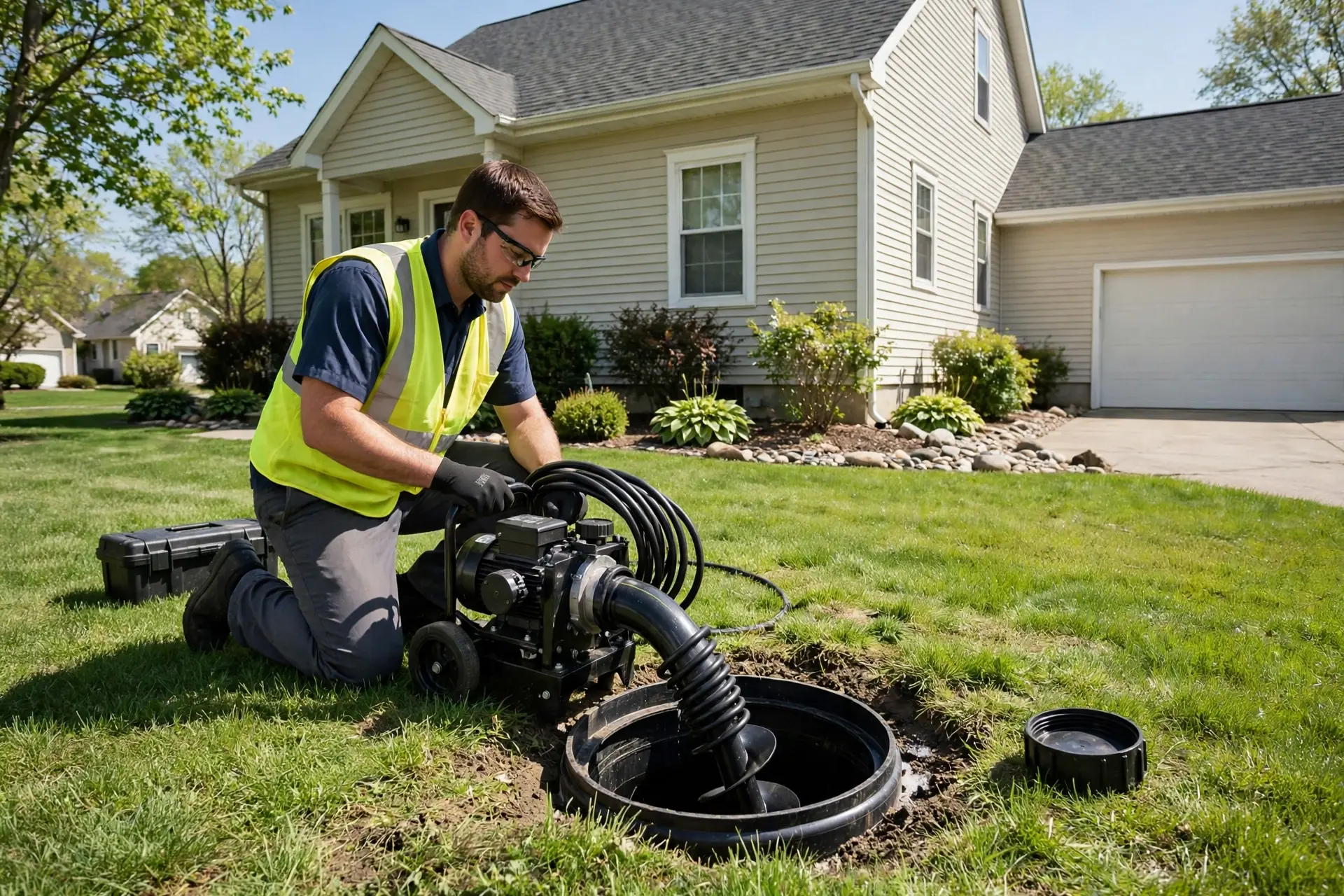
Sewer drain cleaning is the work of clearing the main drain line that carries every fixture in the house out to the street sewer or the property line. It is different from clearing a single sink or shower, because a clog in the sewer drain affects the whole house at once: the kitchen sink is slow, the shower gurgles, the toilet flushes weakly, and water can come up in the lowest fixture in the house. The pattern across several fixtures is the sign that the sewer drain is the problem.
Cleaning starts with the pattern, not the tool. Which fixtures are affected, in what order the problem appeared, and where the water comes up first all show where the blockage sits: in the house drain, in the line to the street, or at the connection itself. A visit works through the pattern, finds the blockage with a cable or a camera, clears it, and tests the drains across the house before the visit ends.
Sewer Drain or Branch Drain: Telling Them Apart
A branch drain serves one fixture or one group of fixtures: the kitchen sink has a branch, the shower has a branch, and each one joins the main drain. A clog in a branch affects only the fixtures on that branch. A clog in the sewer drain affects the whole house, because every branch joins it. The test is simple: if one fixture is slow and the rest drain normally, the clog is in a branch. If several fixtures are slow together, the clog is in the sewer drain.
The order the problem appears in is useful too. A sewer drain clog often shows first at the lowest fixture in the house, usually the shower or a floor drain, because backed-up water appears at the lowest point first. A kitchen sink that backs up when the dishwasher runs, or a toilet that gurgles when the shower drains, are both signs of a shared line that is partly blocked. The visit follows the pattern to the blockage.
Signs the Sewer Line Is Involved
Several fixtures draining slowly at the same time is the clearest sign the sewer line is involved. A kitchen sink that is slow, a shower that gurgles, and a toilet that flushes weakly together point to one blockage in a shared line, not three separate clogs. A single fixture acting alone points the other way, to a branch clog.
Water coming up in a fixture that was not used is the next sign. Water rising in the shower when the kitchen sink runs, or water appearing in a tub when the toilet flushes, means the water cannot get past a blockage in the main line and is finding the lowest open drain instead. That pattern is worth reporting exactly as it happens, because it shows where the water is going and where the blockage must sit.
Gurgling across the house is a third sign. When a drain gurgles as water goes down in another part of the house, air is trapped behind a blockage in a shared line and escaping through the nearest fixture. A smell from several drains at once is a fourth sign: waste water sitting in a blocked main line gives off a smell that reaches every fixture connected to it. Call Beaumont Kitchen Sink Pros at (951) 555-0100 and describe which fixtures are affected, and we will connect you with an available local crew right away.
Roots, Grease, and Buildup in the Sewer Line
Tree roots are a common cause of sewer drain clogs in Beaumont. Roots seek water, and a sewer line with a small crack or a loose joint gives them an entry point. Once inside, roots grow into a mat that catches everything passing through the line: grease, food, paper, and scale. A root mat grows slowly, so the drains slow a little at a time over months, and the homeowner often notices only when the water starts coming up.
Grease from the kitchen is the second cause. Grease washed down the kitchen sink cools and hardens on the pipe walls, and in a long sewer run it builds up along the whole length of the line. Food scraps, coffee grounds, and soap residue add to the layer. A sewer line with a thick grease coating drains slowly even when no single clog blocks it, and the drains across the house all run slow together.
What Sewer Drain Cleaning Involves
A sewer drain cleaning visit starts at the access point, usually a cleanout outside the house, where the main drain can be reached without going through a fixture. The cable is fed into the line and run to the blockage, breaking through it and pulling the material back or pushing it through to the street sewer. The cable run is followed by a flush and a flow test across the house: the kitchen sink, the shower, and the toilet are each run to confirm they drain normally.
A camera look inside the line follows where the clog keeps returning, or where the cable reports something solid. The camera shows whether the blockage was roots, grease, scale, or a damaged pipe, and it shows the condition of the line along its length. A sewer line with a cracked or shifted section will clog again until the pipe is repaired, and the camera is what shows that. The drain camera inspection page explains how a camera finds the cause.
What a Sewer Drain Cleaning Visit Covers
- Pattern checked first: which fixtures are affected and in what order.
- Cable run from the cleanout outside the house to the blockage.
- Drains tested across the house after the clearing.
- Camera look inside the line where the clog keeps returning.
- Blockage identified: roots, grease, scale, or a damaged pipe.
- Plain-words summary of what was found in the line and what was done.
Frequently Asked Questions
How do I know if my sewer drain is clogged?
Several fixtures draining slowly at the same time, water coming up in a fixture that was not used, and gurgling across the house all point to the sewer drain. One fixture acting alone points to a branch clog instead.
Why does water come up in my shower when I run the kitchen sink?
The drains join together before they leave the house, so a clog in the sewer drain pushes water back up through the lowest fixture, usually the shower. That pattern points to a blockage in the main line.
What causes sewer drain clogs in Beaumont?
Tree roots entering through a crack or loose joint, grease from the kitchen building up along the line, and scale from mineral-heavy water are the usual causes. Together they narrow the line until water backs up.
What is involved in sewer drain cleaning?
The cable enters through a cleanout outside the house, runs to the blockage, and clears it. The drains are then tested across the house, and a camera look follows where the clog keeps returning.
Why does my sewer drain keep clogging?
The line still carries a coating of grease and scale on its walls, or the pipe itself is cracked or shifted. A camera look inside the line shows which one it is, and whether the job is a cleaning or a repair.
What should I do while several fixtures are backing up?
Stop running water, do not flush the toilet again, and note which fixtures are affected and in what order the problem appeared. More water only raises the level in the lowest fixture.
Kitchen Sink Unclogging in These Beaumont Neighborhoods
This service is available across Beaumont, including:
- Kitchen Sink Unclogging in Three Rings Ranch, Beaumont, CA
- Kitchen Sink Unclogging in Tournament Hills, Beaumont, CA
- Kitchen Sink Unclogging in Fairway Canyon, Beaumont, CA
- Kitchen Sink Unclogging in Seneca Springs, Beaumont, CA
Related Services
From the Blog
What to Do When Your Kitchen Sink Will Not Drain
Call (951) 555-0100 and we'll connect you with an available local crew right away.
Sink Not Draining in Beaumont?
Describe the clog — standing water, a slow drain, or a disposal that will not turn — and get a clear plan for getting it flowing again.
Call (951) 555-0100